4 Insights from Science on How Girl Characters in Stoytelling Can Help Girls in STEM
You Can't Be What You Can't See

Research across the board points to the fact that representation in fictional and learning stories matters deeply.
'You can't be what you can't see.'
A 2011 study of representation of males and females in the titles and as central characters twentieth century literature found that males are represented nearly twice as often as females in titles, and 1.6 more often as central characters than females.

1.
'Since children's books are a "dominant blueprint of shared cultural values, meanings, and expectations," the authors say the disparity between male and female characters is sending children a message that "women and girls occupy a less important role in society than men or boys." Books contribute to how children understand what is expected of women and men, and shape the way children will think about their own place in the world.'
World Science Daily, May 4 2011

A 2010 study among children published in the Journal of Social Psychology showed that girls score much higher on tests when their science text books contain illustrations of women scientists. Gender biased representations of men as scientists in text books negatively impacts female students’ performance in tests by reinforcing gender stereotypes.

2
'In short, stereotype threat can negatively impact female students’ performance in science by means of textbook images that reinforce gender stereotypes. Using pictures of both female and male scientists leads to closing the gender gap in performance between boys and girls. '
Gender Action Portal, Women and Public Policy Program, Harvard Kennedy School.

A 2016 UCSD study on the impact of female television characters in 6-9 year old girls also pointed to the need for female representation in character.
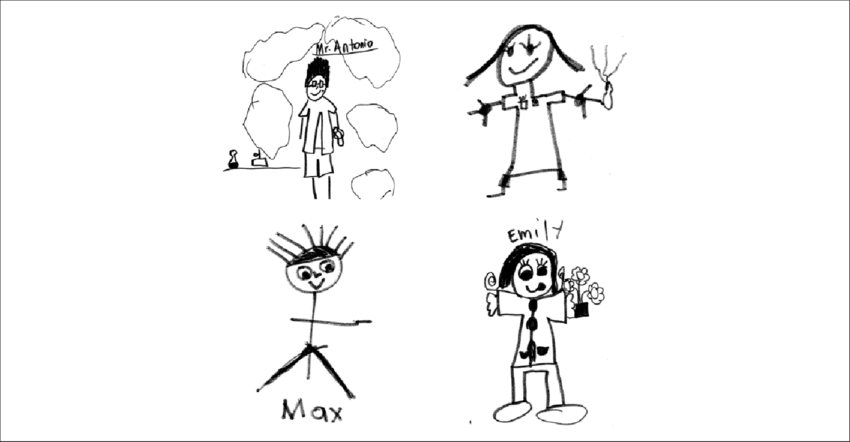
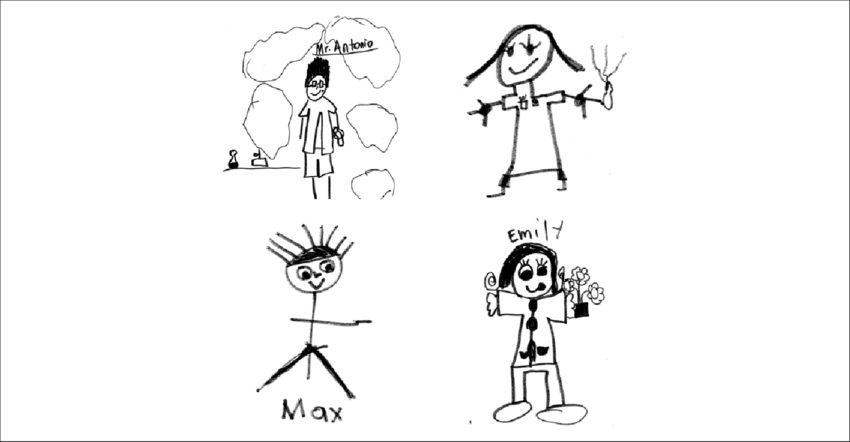
In the study, girls as young as 6, after being asked to watch very short clips of stereotypical scenarios in TV programs (a girl meeting her fairy godmother, discussing how to impress boys, or discussing an outfit for a Valentine’s Day dance), scored most highly on wanting stereotypical careers, (homemaking, fashion) even though they scored lowest on saying they 'liked' what they had just watched. Only 30% of them drew a woman when asked to draw a picture of a scientist.
Girls in the same study who were shown clips of counter-stereotypical STEM scenarios of girls (a female astronomer discussing asteroids, a girl building robots, and a young woman building a model rocket) scored highest on saying they 'liked' what they watched, were less interested in stereotypical careers. 75% drew of these girls drew a woman when asked to draw a scientist.

3.
'Stereotypical depictions of women and girls in the media have a strong impact on (...girls...) by reinforcing gendered STEM stereotypes among young viewers and resultantly decreasing their interest in STEM careers. '
Gender Action Portal, Women and Public Policy Program, Harvard Kennedy School.
4.
"We cannot educate the children of the future with books from the past."
Prof Rae Blumberg, University of Virginia,, BBC 100 Women, October2017

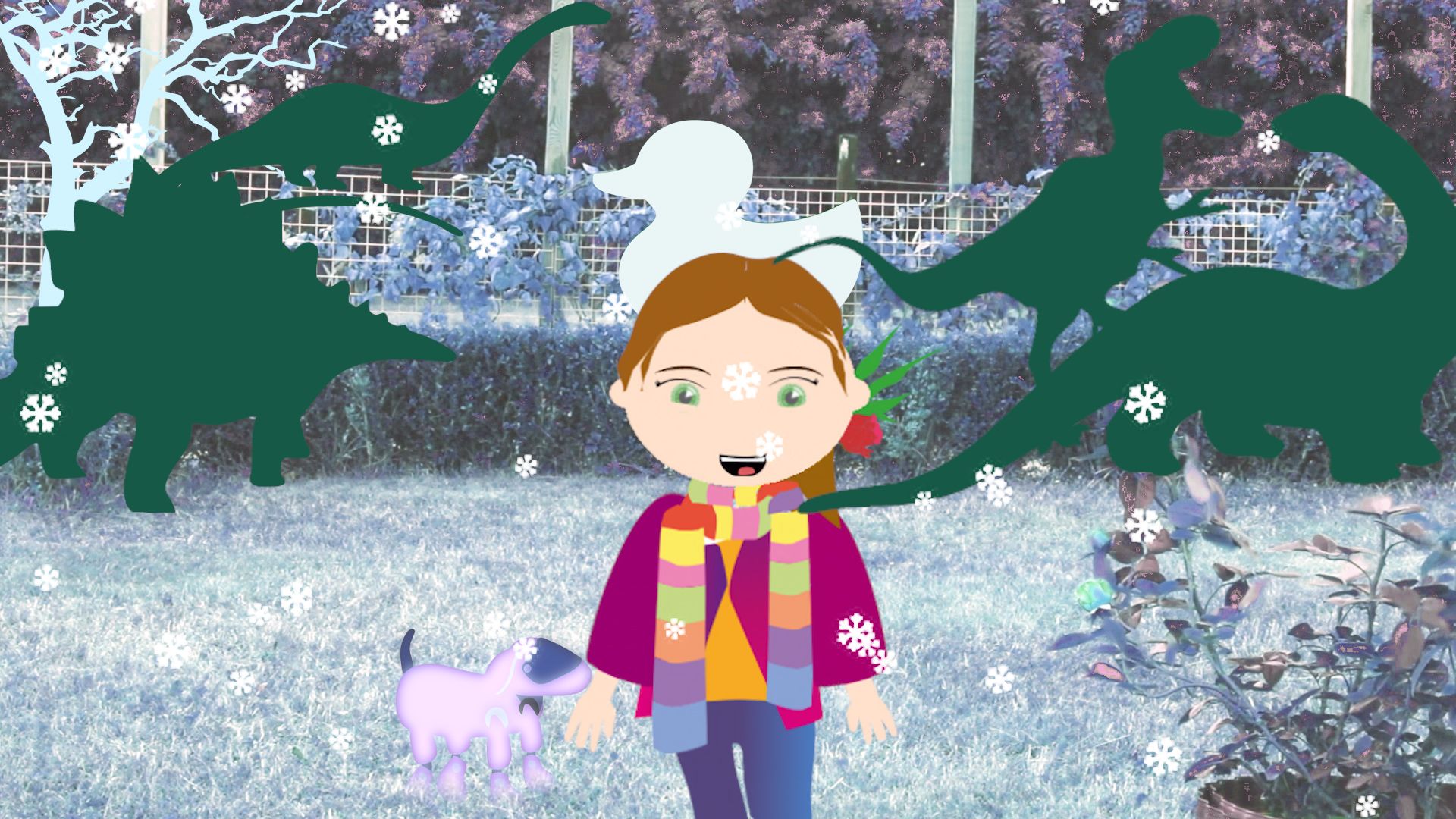
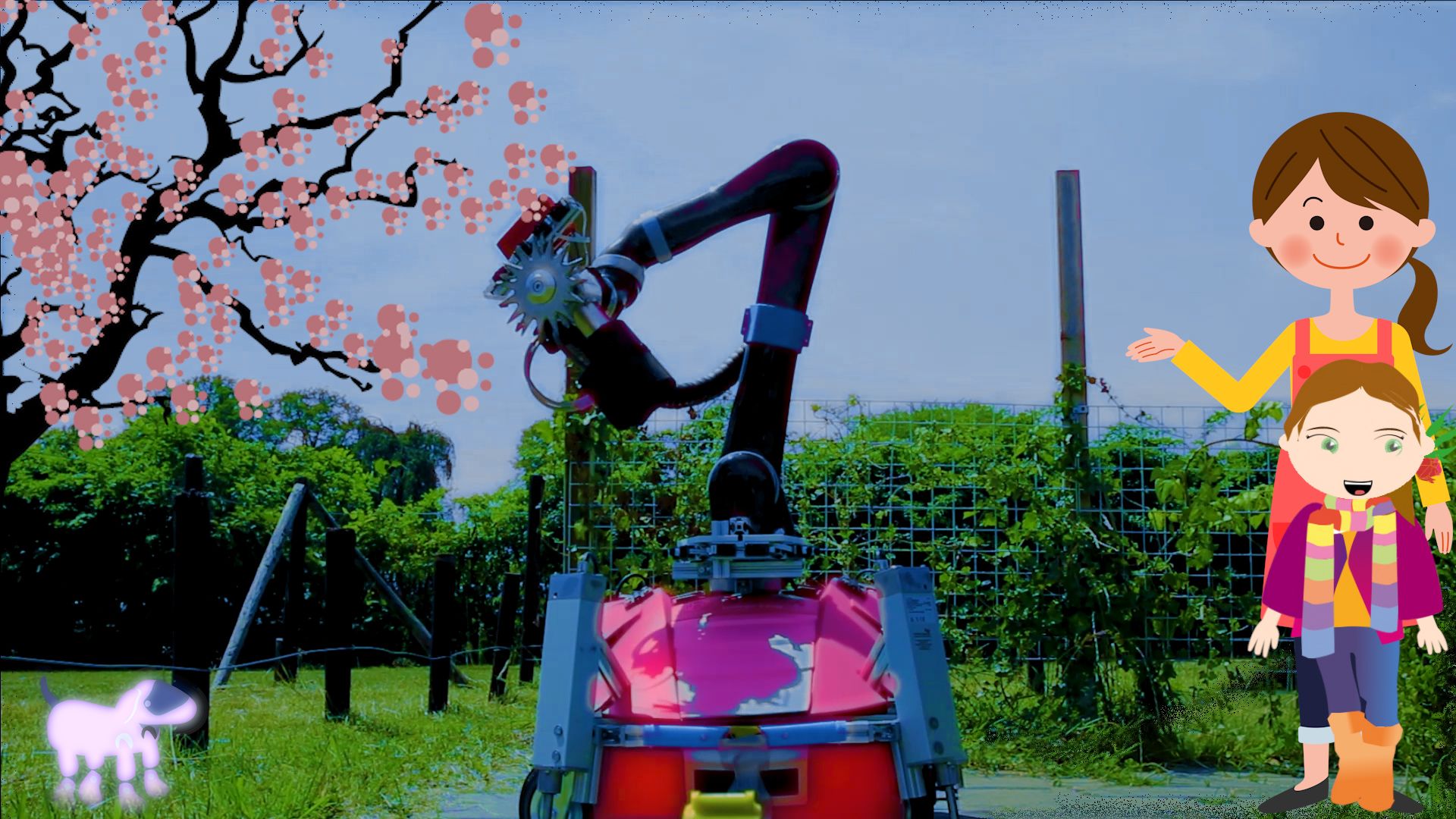
Zentle is a fictional story that offers a future in which girls can see themselves leading technology stories: the future of STEM, the future of our world.